

The powerful breakthrough of the digital era is profoundly restructuring the global packaging industry’s value chain, particularly in the Asia-Pacific region. The structural shift toward e-commerce has triggered a new “super-cycle of growth” for the paper packaging sector.
Amidst this wave, enterprises possessing robust intrinsic capabilities, such as Ngoc Diep Packaging, are well-positioned with vast growth potential by anticipating market trends and mastering the green supply chain.
Asia’s E-Commerce and the Driving Force for Paper Packaging Market Breakthrough
According to the document titled “Geopolitical Fluctuations and Supply Chain Restructuring of the Global Paper Industry in the New Era”, published in May 2026 by the Vietnam Pulp and Paper Association (VPPA), Asia-Pacific is currently the epicenter of digital flows. The region accounts for approximately 60-65% of total global e-commerce transaction value, with a market scale estimated to exceed 3.5-4 trillion USD.
On average, each order consumes 1.2-1.5 packaging units (including carton boxes, cushioning materials, and auxiliary packaging), driving the region’s paper packaging consumption up by 4-6% annually, surpassing the global average of 2-3%. This massive volume is reshaping the industry’s entire technical standards.
Cost pressures from last-mile logistics (which account for 30-50% of total e-commerce costs) are forcing the market to shift toward the “lightweighting” trend—reducing paper grammage while upgrading technology to maintain structural compression strength.
Concurrently, manufacturing plants must pivot toward customized designs and automation integration to satisfy green consumer demands, given that up to 40-50% of Southeast Asian consumers are willing to pay a premium for eco-friendly packaging. In Southeast Asia alone, e-commerce is registering a CAGR of 15-20% for the 2023-2030 period, fueling a powerful boom in paper packaging demand across spearhead nations like Vietnam, Indonesia, and Thailand.
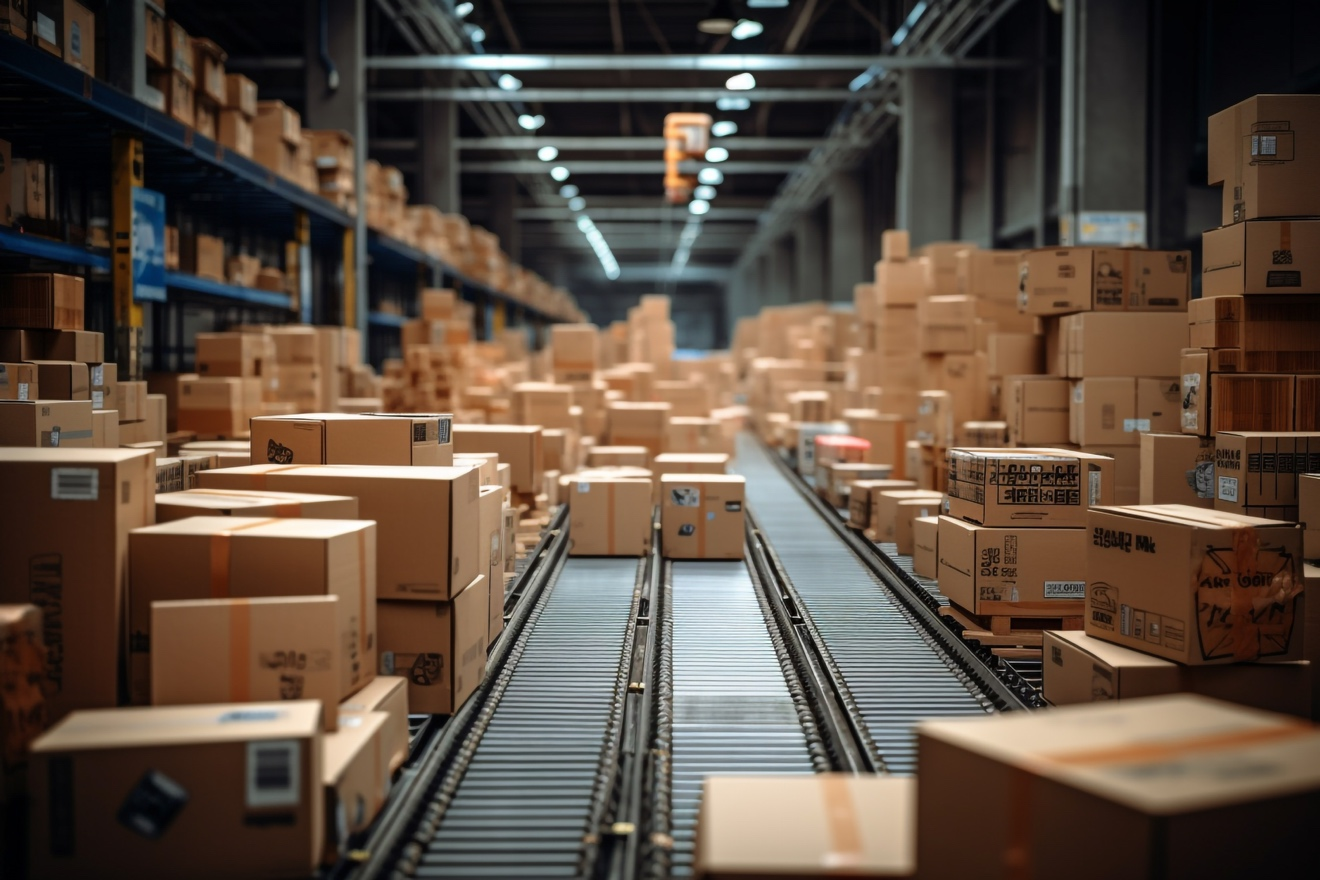
The ASEAN e-commerce market is projected to reach USD 300-400 billion by 2030, driving double-digit growth in paper packaging demand, particularly in Vietnam, Indonesia, and Thailand.
In Vietnam, the paper packaging sector is recording an impressive annual growth rate of 10-12%, with total containerboard output reaching approximately 6-7 million tons per year, dominated by corrugated cartonboard. This momentum is driven directly by the domestic e-commerce market, which is valued at USD 20-25 billion and sustains a breakthrough growth rate of over 20% per year.
To realize the goal of becoming a major hub for paper packaging production in the region within the next 5-10 years, the industry must solve two macro challenges: the reliance on imported OCC material (which currently accounts for 60-70% of recycled fiber demand) and high domestic logistics costs, sitting at 16-20% of GDP.
The VPPA document indicates that in the upcoming period, the industry’s evolution will revolve around four core pillars:
- First: Packaging optimization, aiming to reduce material usage by 10-20% through smart design.
- Second: Circular economy development, raising the domestic OCC collection rate from the current level of ~50% to 60-70% over the next decade.
- Third: Supply chain integration, enabling enterprises to save an additional 5-10% in operational costs.
- Fourth: Digital transformation, utilizing smart factories to elevate production efficiency by 10-15%.
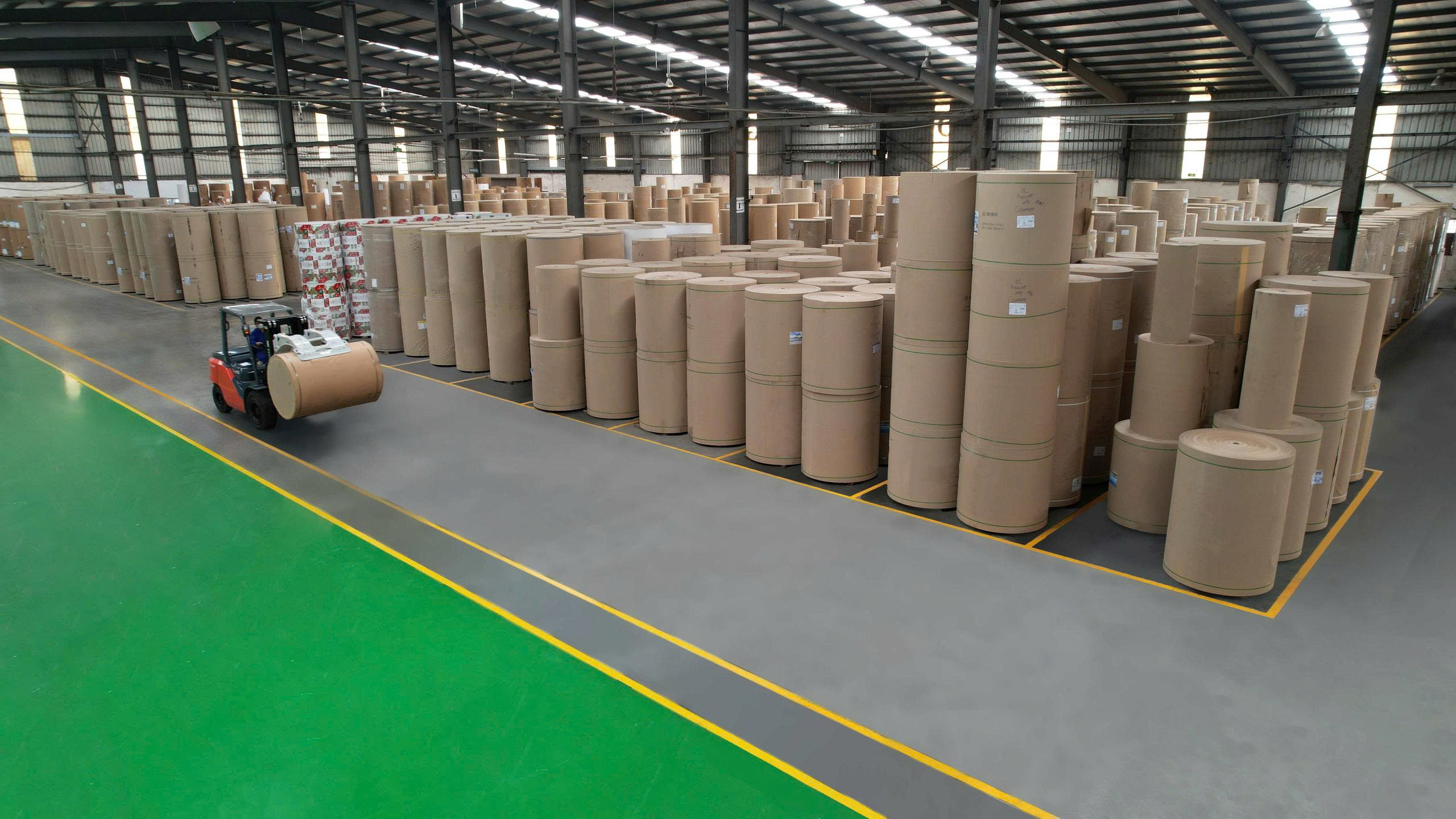
According to the VPPA, Vietnam is fully capable of becoming one of the prominent paper packaging manufacturing hubs in the region within the next 5-10 years.
Overall, the e-commerce boom is forging a “super-cycle of growth” for the paper packaging industry in Asia. For Vietnam, this presents an opportunity not only to scale up production volume but also to upgrade the entire value chain.
By effectively leveraging factors such as domestic raw material development, technological investment, and enhanced industry linkages, Vietnam can entirely transform into an essential regional paper packaging manufacturing center within the next 5-10 years.
Unrivaled Competitive Advantages Position Ngoc Diep Packaging to Seize the Trend
Faced with a market rich in potential yet strict in standards, Ngoc Diep Packaging asserts its leadership position thanks to its capacity to comprehensively address the macro challenges of the supply chain.
Owning a 40,000m² automated manufacturing facility in Northern Vietnam, Ngoc Diep Packaging masters two core technologies simultaneously: large-scale Flexo printing systems and advanced roll-to-roll Preprint production lines. This infrastructure empowers the enterprise to resolve the “lightweighting” equation and offer personalized designs, ensuring consistent mechanical sharpness across millions of impressions, optimizing material waste, and stabilizing production costs.
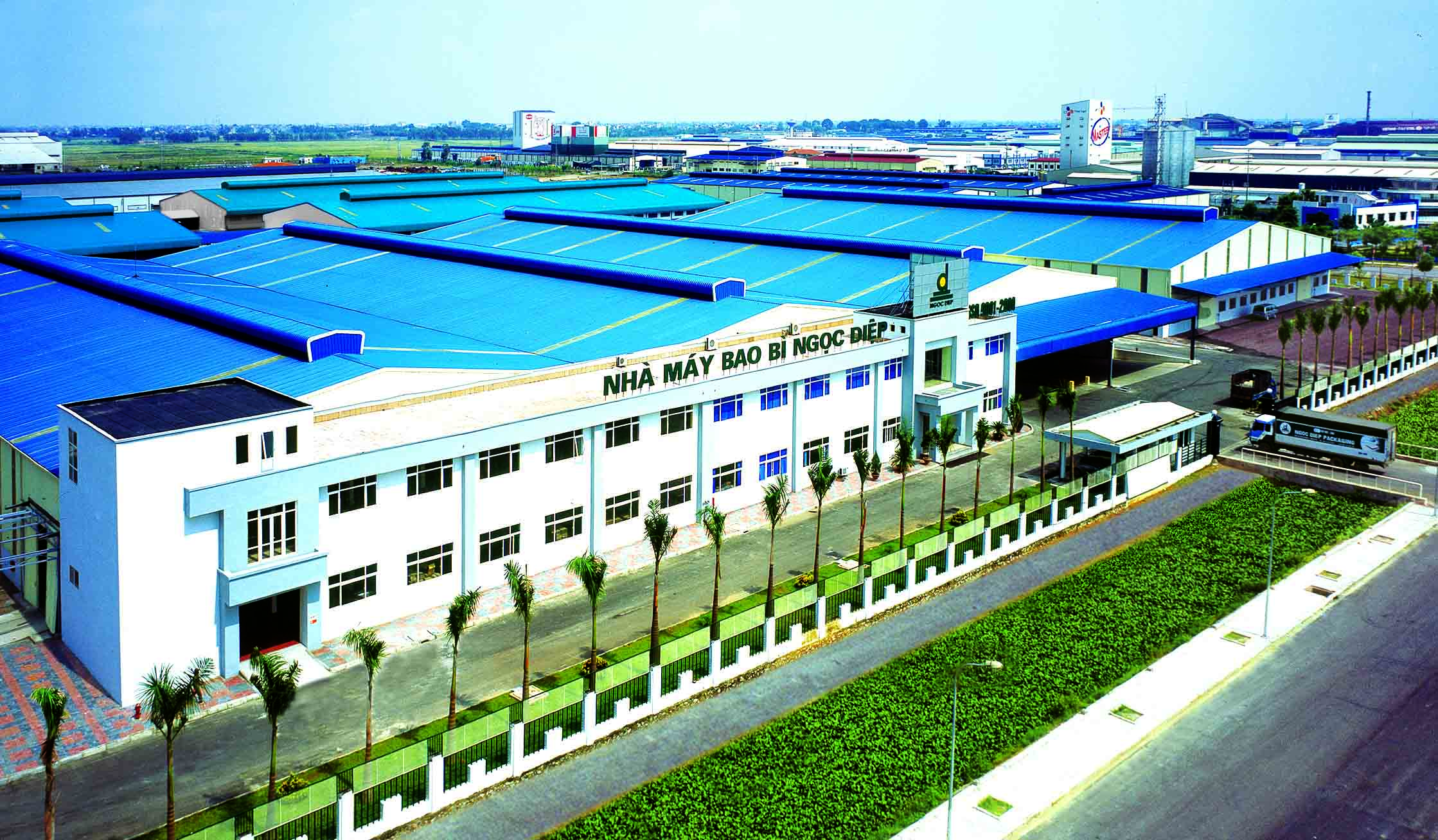
Ngoc Diep Packaging factory currently ranks among the largest in scale across Northern Vietnam.
Furthermore, Ngoc Diep Packaging pioneers solutions to circular economy pressures by utilizing 100% eco-friendly water-based inks, alongside standardizing its processes to achieve ISO 14001:2015 Environmental Management System certification and FSC-CoC (Forest Stewardship Council Chain of Custody) certification for legal wood fiber origins.
This proactive edge in infrastructure, technology, and green certifications not only assists domestic partners in easily navigating Extended Producer Responsibility (EPR) regulations but also opens doors for export brands entering stringent markets like the US and the EU.
The e-commerce “super-cycle of growth” is establishing a new, more demanding rule of the game regarding technology and sustainability. Through a well-structured investment strategy in automated infrastructure, operational cost optimization, and comprehensive green standardization, Ngoc Diep Packaging solidifies its position as a leading, reputable supply partner, ready to accompany businesses to break through and master the market.
Update the latest news from Ngoc Diep Packaging
Other news
Ngoc Diep Packaging proudly ahieves the “Vietnam Value 2026” for the 5th consecutive time
On August 29, the Ministry of Industry and Trade officially issued Decision No. 2136/QD-BCT announcing the list of enterprises achieving the Vietnam Value 2026. Ngoc Diep Packaging, a member brand of Ngoc Diep Group, is honored to receive this prestigious recognition for the 5th consecutive time. Established in 1998, Ngoc Diep Joint Stock Company (Ngoc […]
10/10/2026
How to preserve waterproof carton box during the stormy season
For paper packaging, moisture and water have always been the primary destructive factors. No matter how high the manufacturing standards are, if a carton box gets soaked during transit—due to rain or adverse weather conditions—the paper structure rapidly weakens, leading to rotting and tearing. The consequences go beyond direct damage to the products inside; they […]
11/08/2026
What is ISO 9001:2015? Essence and benefits in the packaging industry
Amid the tightening of global supply chains, ISO 9001:2015 has become a universal language of quality between B2B enterprises. For procurement managers and logistics administrators, this certification is not merely a regulatory passport, but a direct benchmark of a supplier’s operational stability. So, what is the core essence of ISO 9001:2015, and how are these […]
28/07/2026
5 Core Pillars Shaping Ngoc Diep Packaging’s Competitive Edge
The global corrugated packaging industry is standing at a historical paradigm shift. Key takeaways from the Corrugated Packaging Seminar at the FESPA Global Print Expo 2026, held in Spain in May 2026, sent a clear message: The packaging sector is accelerating toward a smarter, fully automated, and data-driven agile future. Artificial intelligence (AI) and smart manufacturing […]
21/07/2026
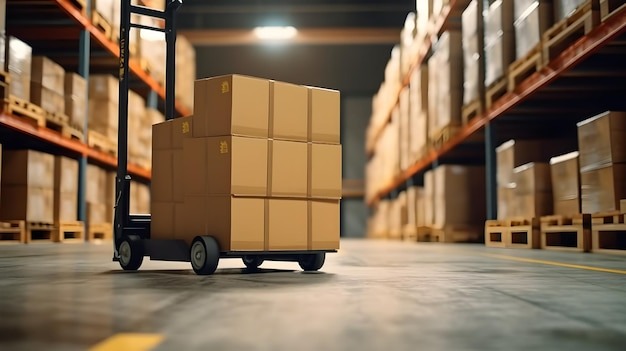
The E-Commerce Boom Triggers A Super-Cycle Of Growth For The Paper Packaging Industry
The powerful breakthrough of the digital era is profoundly restructuring the global packaging industry’s value chain, particularly in the Asia-Pacific region. The structural shift toward e-commerce has triggered a new “super-cycle of growth” for the paper packaging sector. Amidst this wave, enterprises possessing robust intrinsic capabilities, such as Ngoc Diep Packaging, are well-positioned with vast […]
13/07/2026
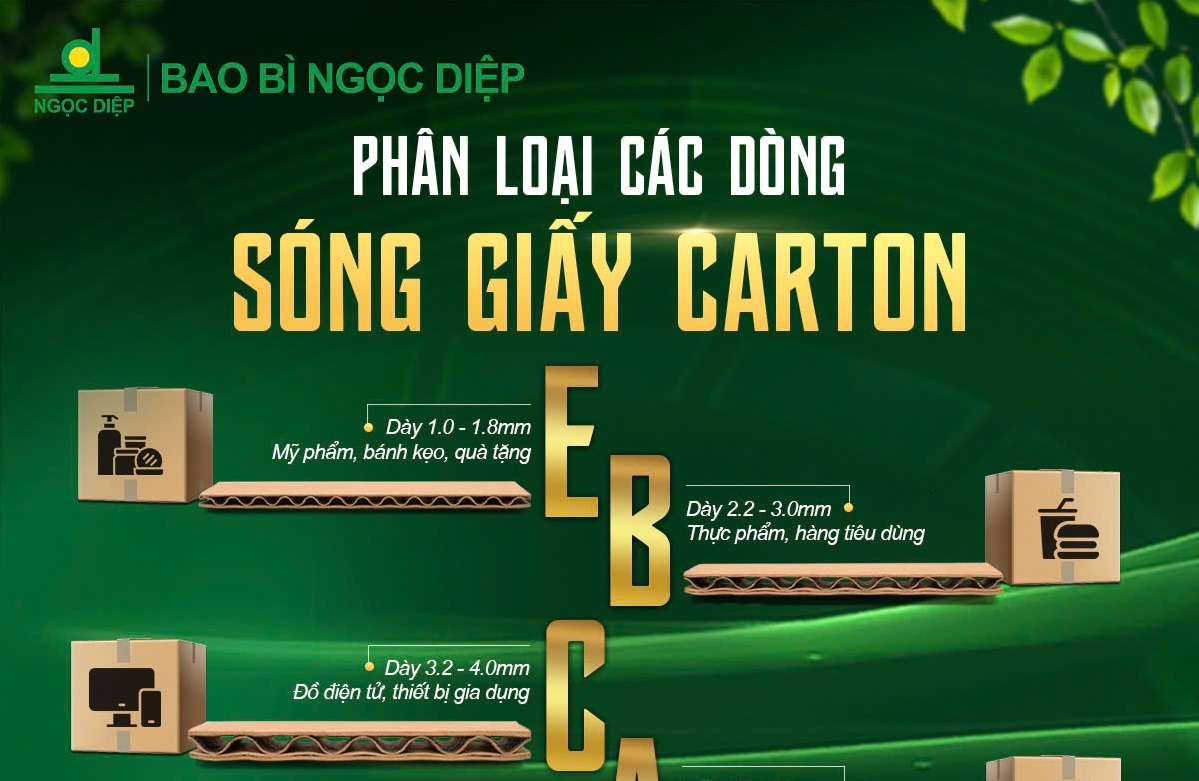
Corrugated carton flute types: A guide to choosing the right carton structure for packaging
In manufacturing and product distribution, packaging serves as the first line of defense in protecting product value. When selecting corrugated packaging, companies often focus on the number of board layers – such as single-wall, double-wall, or triple-wall corrugated board. However, another critical factor that determines up to 80% of a carton’s compression strength and cushioning […]
06/07/2026
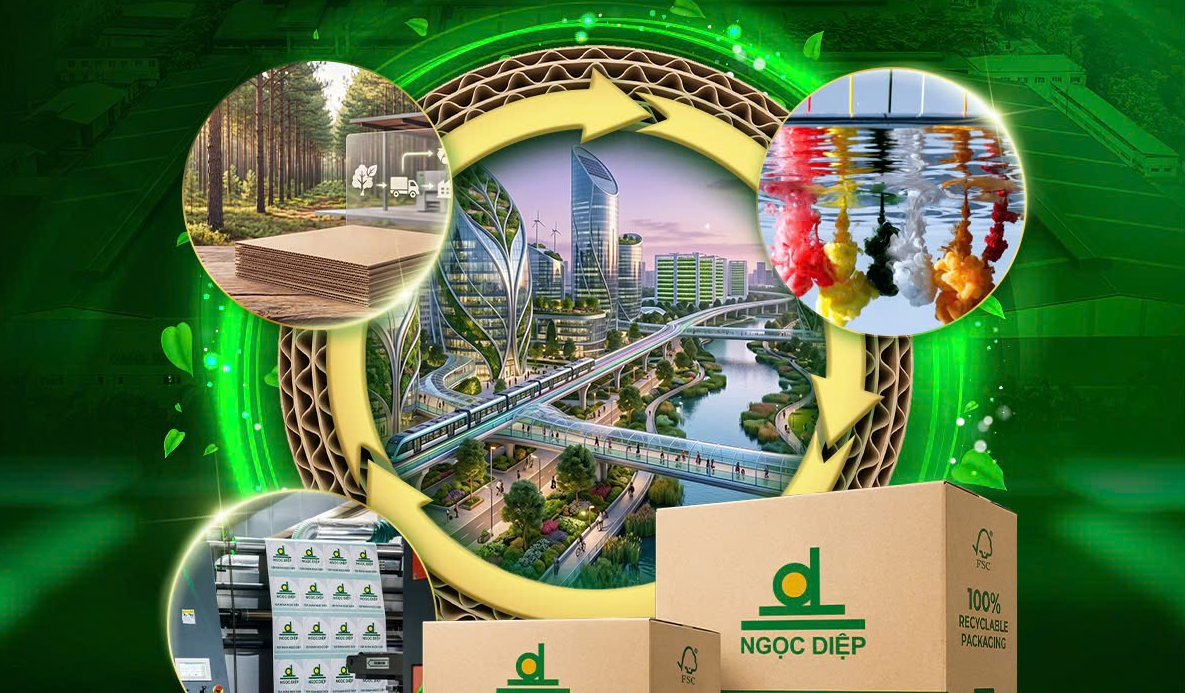
From over 30,000 tons of recycled packaging to materializing a green packaging future
The global secondary packaging market (outer corrugated boxes, external paper shipping packaging) stands at a historic turning point. A strategic report from Smithers forecasts that the industry is heading toward a massive milestone: reaching £224 billion by 2030. In Vietnam, this wave is no longer a distant future narrative but has manifested as an active […]
25/06/2026

